Cast iron
Scale, channeling, corrosion, and failing transitions can reduce the usable bore.
Review cast iron condition notes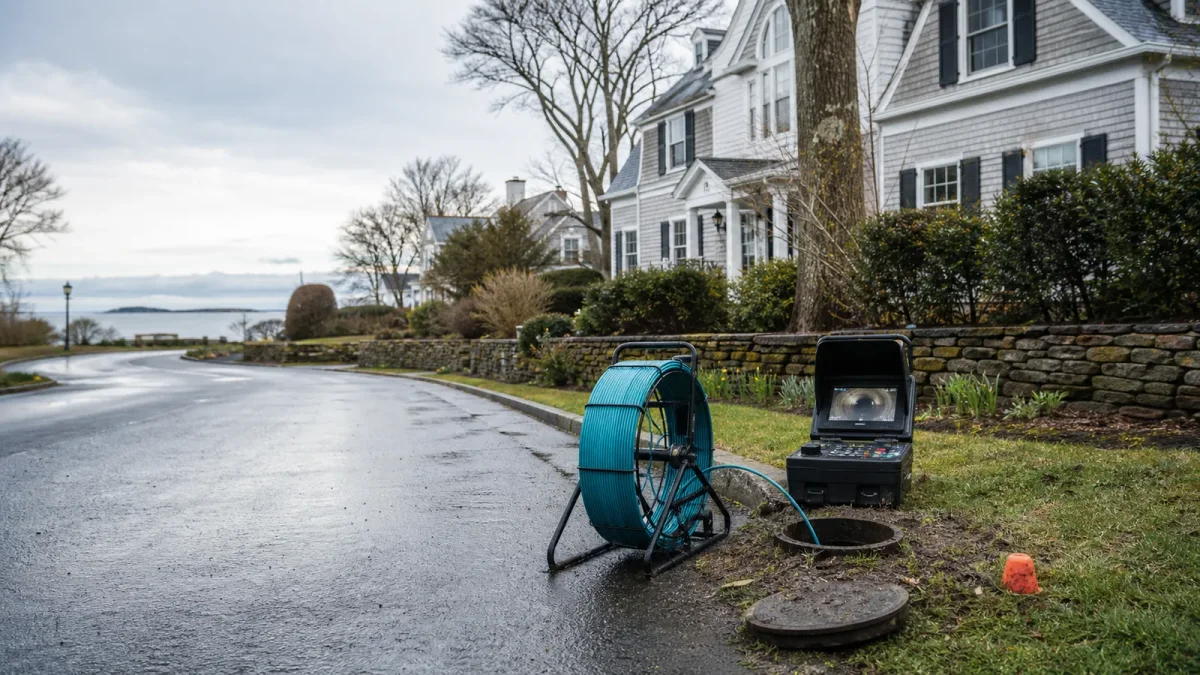
Document the line before selecting a repair method.
Fairfield County, Connecticut
Camera-led planning for pipe lining, pipe bursting, targeted repair, and older cast-iron laterals across Fairfield and nearby communities.
Record material, defects, alignment, and access.
Rule methods in or out against the same evidence.
Keep the closing video and written repair scope.
Commercial first
Restaurants, multifamily properties, offices, and managed buildings need a scope that accounts for access, flow, tenant disruption, and the repair window.
Planning bands, not quotes
These broad Fairfield County bands help frame a conversation. A firm number depends on footage, access, length, depth, preparation, permits, and restoration.
Read the cost guideMaterial logic
The installation date is useful, but the camera condition is what governs the next step.
Scale, channeling, corrosion, and failing transitions can reduce the usable bore.
Review cast iron condition notesShort sections create many joints where roots, offsets, and infiltration can develop.
Review root entryFiber pipe can deform or flatten, which may remove lining from consideration.
Review replacement pathsFittings, connections, bedding, and grade still require inspection even when the pipe is newer.
Review targeted repair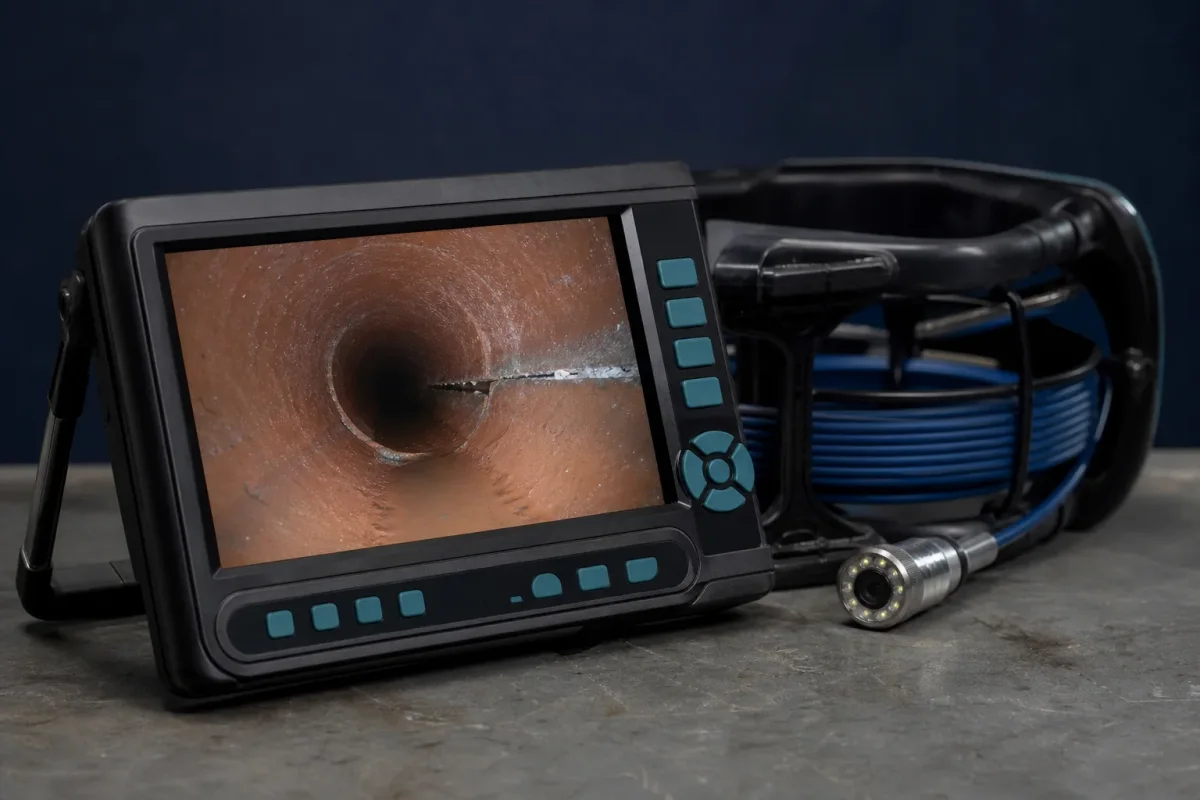
A better sequence
Public sewer, private lateral, or septic-connected piping changes the scope.
Locate joints, roots, fractures, corrosion, standing water, and transitions.
Include preparation, access, service interruption, and restoration.
Request footage of the completed run and retain the written scope.
Service context
Residential decision paths
Four common paths cover most research journeys without pretending every line needs the same answer.
For a cleanable host pipe that can accept a structural liner.
Open decision guide 02For replacement when the existing run cannot simply be rehabilitated.
Open decision guide 03For corrosion, scale, channeling, and older interior pipe conditions.
Open decision guide 04For buyers who need evidence before the inspection contingency closes.
Open decision guidePractical questions
Every property still needs its own inspection and scope.
A camera inspection should document the pipe material, diameter, access, defect locations, alignment, and any collapse or deformation. Those findings determine whether cleaning, a spot repair, lining, bursting, or excavation is the defensible option.
No. Cured-in-place lining needs a host pipe that can be cleaned and still has a usable path. A collapsed run, severe deformation, or a grade problem may require pipe bursting or conventional excavation instead.
Length, depth, access, material, preparation, traffic control, groundwater, and the selected method all affect cost. The ranges on this site are planning bands, not quotes. A site-specific inspection is needed before a firm proposal.
No. Several nearby towns are entirely or largely septic, and sewer availability can vary by street or district. Confirm the property system first, especially in Easton, Weston, Monroe, Wilton, and outer parts of other communities.
Ask for the pre-work and post-work camera footage, a written scope identifying the repaired segment, material documentation, and any permit or inspection records that apply to the property.
Request a line review
Include the town, symptoms, any camera findings, and whether this is a home, purchase, managed building, or commercial property.
321-361-4676